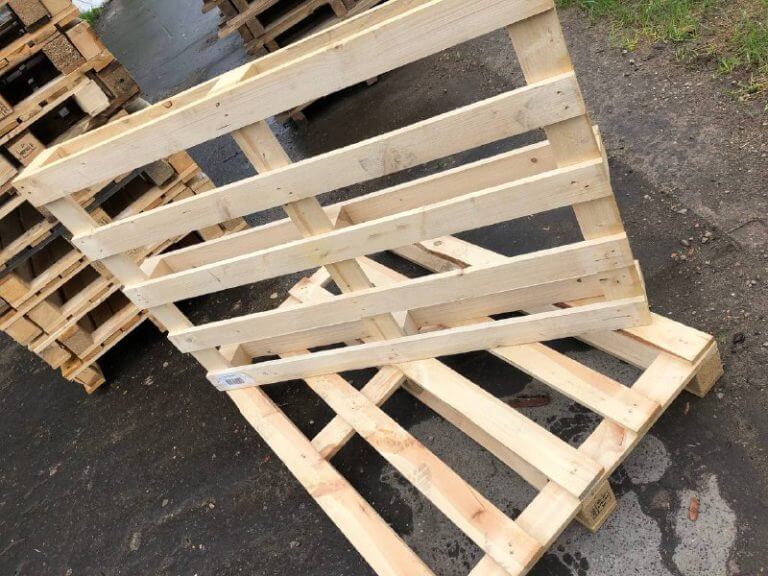
The Rising Demand for Wooden Pallets: A Comprehensive Look at Their Sale
In the last few years, the need for wooden pallets has risen substantially across various markets. As a fundamental part in shipping and storage, wooden pallets offer a reliable solution for carrying items wholesale. This blog site post explores the factors behind the increasing sales of wooden pallets, the advantages they provide, and crucial factors to consider for organizations looking to purchase them.
Understanding Wooden Pallets
Wooden pallets are platform structures primarily made of wood that help with the handling of products. They serve as a base for stacking, saving, and transporting products. The option of using wooden pallets comes from their toughness, cost-effectiveness, and sustainability when sourced responsibly.
Types of Wooden Pallets
Before acquiring wooden pallets, it's necessary to understand the various types readily available. The following table sums up the main kinds of wooden pallets:
| Type of Wooden Pallet | Description | Benefits | Downsides |
|---|---|---|---|
| GMA Pallets | Standardized pallets (48" x 40") used commonly. | Uniformity; easy to stack; compatible with forklifts. | Restricted to particular sizes; frequently made from lower-quality wood. |
| Block Pallets | Including blocks for assistance rather of stringers. | Greater strength and sturdiness; suitable for much heavier loads. | Generally more costly; may need more area. |
| Stringer Pallets | Made with parallel wooden pieces called stringers. | Light-weight; economical alternatives available. | Less resilient; not ideal for heavier loads. |
| Euro Pallets | Standardized European design (1200 mm x 800 mm). | Premium wood; market standard in Europe. | Not commonly used in the U.S.; might need custom-made shipping. |
| Two-Way and Four-Way Pallets | Designating gain access to points for forklifts. | Flexibility in transport; simple handling. | Might not be ideal for all types of machinery; can be more pricey. |
Why Choose Wooden Pallets?
When selecting pallets for shipping and storage, wooden pallets stick out for a number of factors:
- Durability: Wooden pallets can stand up to substantial loads and are resistant to use and tear, making them ideal for bulk shipping.
- Cost-Effectiveness: Compared to other materials such as plastic or metal, wooden pallets are typically more affordable.
- Sustainability: When sourced properly, wooden pallets are eco-friendly. They can be recycled into new pallets, furnishings, or used as biomass for energy.
- Customizability: Manufacturers can quickly personalize wooden pallets to satisfy particular size and design requirements.
- Reduce of Repair: Unlike plastic pallets, which might require replacement if harmed, wooden pallets can often be fixed at a lower cost.
The Market for Wooden Pallets
The market for wooden pallets continues to grow, sustained by the increased needs of e-commerce, logistics, and retail sectors. According to industry reports, the global wooden pallets market is projected to reach approximately ₤ 45 billion by 2026, driven by the increase in international trade and a flourishing shipping industry.
Key Factors Contributing to Growth
A number of factors have actually considerably affected the rising demand for wooden pallets:
- E-commerce Expansion: With the extensive growth of online shopping, the requirement for effective shipping solutions has surged, subsequently increasing the need for wooden pallets.
- Sustainability Trends: Consumers and services are progressively focusing on environmentally friendly practices, driving the wooden pallet market.
- Expense Efficiency: As businesses aim to cut expenses, wooden pallets remain an affordable option compared to options.
Purchasing Wooden Pallets
When it pertains to purchasing wooden pallets, companies must consider numerous vital aspects:
Factors to Consider
- Type of Goods: The nature of the items to be delivered will influence the type of wooden pallet needed.
- Weight Capacity: It is necessary to ensure that the pallet can manage the weight of the items being carried.
- Custom Requirements: Businesses with distinct requirements might require tailored pallets.
- Source and Sustainability: Look for providers that prioritize sustainable sourcing of wood.
- Quality Standards: Ensure the pallets meet market standards for quality and security.
Top Suppliers for Wooden Pallets
When selecting a supplier for wooden pallets, services need to consider trusted business understood for quality items. The following are some leading suppliers:
| Supplier Name | Location | Specializeds |
|---|---|---|
| PalletOne | U.S. | Custom-designed pallets, repair work services. |
| CHEP | Worldwide | Pooling systems; cost-effective solutions. |
| UFP Industries | U.S. | Wooden pallet manufacturing and recycling. |
| Millwood Inc. | . U.S. Custom pallets and cages across markets. | |
| PalletTrader | U.S. | Online marketplace for buying/selling pallets. |
Often Asked Questions (FAQs)
1. For how long do wooden pallets last?
The life expectancy of a wooden pallet differs based on its use and upkeep however generally varies from 3 to 10 years.
2. Can wooden pallets be recycled?
Yes, wooden pallets can be recycled and repurposed into various items, contributing to a circular economy.
3. Are wooden pallets safe for food storage?
Wooden pallets can be used for food storage, provided they are dealt with and accredited safe for such use. It is vital to follow GBPA regulations for food-grade pallets.
4. How should agronytradingllc.com be maintained?
To extend the life expectancy of wooden pallets, store them in a dry location, avoid direct exposure to chemicals, and carry out routine examinations for damage.
5. What is the average expense of a wooden pallet?
The cost of wooden pallets can vary from ₤ 10 to ₤ 50, depending upon the type and size. Customized pallets may be more expensive.
Wooden pallets play an important function in contemporary logistics, offering a useful and sustainable alternative for transporting products. As industries continue to expand and develop, the demand for wooden pallets is likely to increase. Organizations need to remain notified about the different types of pallets readily available, pick reputable suppliers, and think about sustainability when making purchasing decisions. Understanding the market characteristics can result in better procurement techniques, guaranteeing effective and cost-efficient shipping solutions.
By making notified choices about wooden pallets, organizations can enhance their functional effectiveness and contribute favorably to environmental sustainability.